
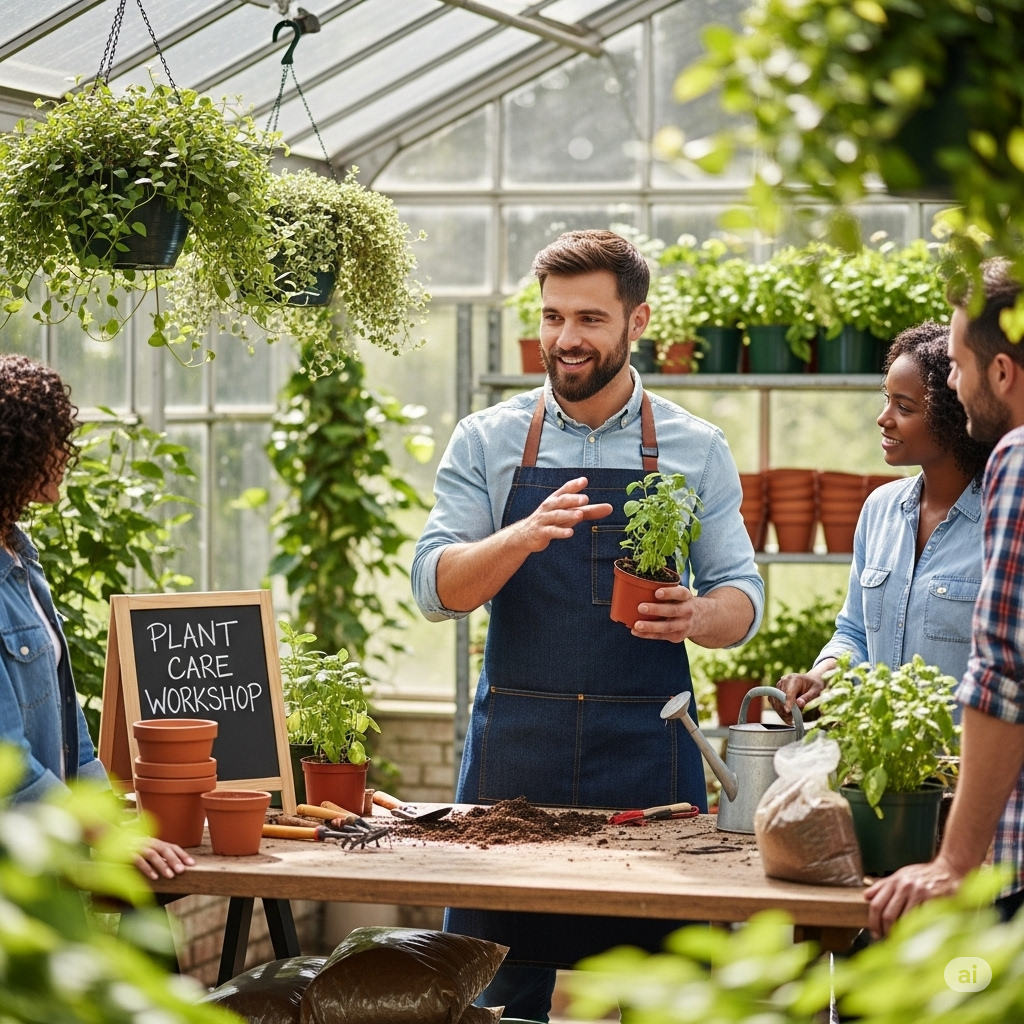

Welcome to the wonderful world of plant parenthood! Bringing plants into your home not only enhances your living space with natural beauty but also improves air quality and offers a calming, fulfilling hobby. Many people believe they lack a “green thumb,” but the truth is, successful plant care is a skill developed through understanding, observation, and a little patience. This guide is designed to equip you with all the essential knowledge to embark on your journey, making it a true beginner’s guide to plant care.
If You Want To Buy Plants PLESS CLICK HERE

Getting Started with Your Green Journey
The first step on your path to becoming a confident plant parent is choosing the right plant. Starting with a forgiving, low-maintenance species will ensure a positive initial experience and help you build fundamental care skills without feeling overwhelmed. Think of it as your introductory course to beginner’s guide to plant care.
Choosing Your First Plant
When selecting your inaugural green companion, prioritize resilience and beginner’s guide to plant care.” adaptability. These plants are often more forgiving of minor mistakes, allowing you to learn their rhythms and your own care habits.beginner’s guide to plant care.”
Snake Plant (Sansevieria trifasciata): Renowned for its almost indestructible nature, the snake plant thrives on neglect. It can tolerate a wide range of light conditions, from low to bright indirect, and prefers to dry out completely between waterings. Its upright, architectural leaves make it a stylish addition to any room.beginner’s guide to plant care.”
beginner’s guide to plant care.”ZZ Plant (Zamioculcas zamiifolia): Another champion of resilience, the ZZ plant is incredibly drought-tolerant thanks to its thick rhizomes that store water. It flourishes in low to moderate indirect light and requires very infrequent watering, making it perfect for busy individuals or those prone to forgetting.
Pothos (Epipremnum aureum): This versatile vining plant is a favorite among beginners due to its adaptability and fast growth. Pothos can thrive in various light conditions, from low to bright indirect, and will tell you when it’s thirsty by slightly drooping its leaves. Its trailing nature makes it ideal for hanging baskets or shelves.
Spider Plant (Chlorophytum comosum): Easy to care for and known for producing “spiderettes” or “pups” that can be easily propagated, the spider plant is an excellent choice for learning about plant reproduction. It prefers bright, indirect light and consistent moisture but can tolerate some drying out.
Peace Lily (Spathiphyllum): While it enjoys consistent moisture, the peace lily is a fantastic indicator plant. Its leaves will dramatically droop when it needs water, providing a clear visual cue. It prefers medium to low indirect light and will reward you with elegant white blooms.
What to Look for When Buying
Once you’ve decided on a species, it’s time to pick your specific plant. A thorough inspection at the nursery or garden center can save you future headaches.
Vibrant Foliage: Look for leaves that are a healthy, consistent color without significant yellowing, browning, or spots.
Pest-Free: Carefully examine the top and underside of leaves, stems, and the soil surface for any signs of pests. Common culprits include tiny webs (spider mites), sticky residue (aphids/mealybugs), or small flying insects (fungus gnats). Avoid plants with visible infestations.
Healthy Roots (if visible): If possible, gently lift the plant slightly from its pot to check the roots. They should look firm and white or light tan, not mushy, dark, or circling excessively.
Appropriate Moisture: The soil should be slightly damp, not soaking wet or bone dry. Extremely wet soil can indicate overwatering, while bone-dry soil suggests neglect.
Core Principles of Plant Care
Understanding these fundamental aspects is crucial for any aspiring plant parent. Mastering these basics is key to any successful beginner’s guide to plant care.
Light: The Essential Nutrient
Light is a plant’s primary energy source, enabling photosynthesis. Providing the correct light level is paramount for your plant’s survival and growth. This section is a vital part of your beginner’s guide to plant care.beginner’s guide to plant care.”
Types of Light
Bright, Direct Light: This is unfiltered sunlight, typically found in south-facing windows. Plants that thrive here include cacti, most succulents, and some sun-loving herbs. Be cautious, as intense direct sun can scorch the leaves of plants not adapted to it.
Bright, Indirect Light: The preferred light for most common houseplants. This light is bright but diffused, either by a sheer curtain, by placing the plant a few feet away from a sunny window, or near an east or west-facing window. Examples include Monsteras, Fiddle Leaf Figs, and many Philodendrons.
Medium Light: Areas that receive moderate, consistent light without direct sun. This might be a few feet from an east or west window, or near a north-facing window. Many Pothos, ZZ plants, and Peace Lilies can do well here.
Low Light: These are areas with minimal natural light, such as a corner far from a window or a north-facing window with obstructions. While some plants can tolerate low light (Snake Plants, ZZ Plants), they often just survive rather than truly thrive. Growth will be slower, and they may become “leggy” as they stretch for light.
Observing Light
Pay attention to how light changes throughout the day and across seasons. A spot that’s bright in summer might be dim in winter. Rotate your plants periodically to ensure even growth and light exposure on all sides.
Watering: The Art of Hydration
Overwatering is the number one cause of death for houseplants. It leads to root rot, a condition where the roots are deprived of oxygen and begin to decay. Understanding your plant’s water needs is a cornerstone of any beginner’s guide to plant care.
How to Check
The Finger Test: The most reliable method. Stick your finger about 1-2 inches deep into the soil. If it feels dry, it’s time to water. If it’s still moist, wait a few days and check again. For succulents and cacti, let the soil dry out completely before watering.
Weight Test: Lift the pot when it’s dry and note its weight. After watering, lift it again. You’ll quickly learn the difference between a thirsty and a hydrated plant.
How to Water
Thoroughly: Water until you see water draining from the bottom of the pot. This ensures that the entire root ball is hydrated.
Drainage: Always ensure your pot has drainage holes. If your decorative pot doesn’t have holes, keep the plant in its nursery pot (with holes) and place it inside the decorative one. After watering, empty any excess water from the saucer or decorative pot within 30 minutes to an hour. Plants sitting in standing water are prone to root rot.
Water Temperature: Use room-temperature water. Cold water can shock the roots.
Avoid Schedules: Forget rigid watering schedules. Your plant’s water needs fluctuate based on light, humidity, temperature, and its growth cycle. Always check the soil before watering.
Soil and Potting: Building a Strong Foundation
The right soil mix and pot provide the essential environment for your plant’s roots to thrive. This is a critical component of any beginner’s guide to plant care.
Choosing the Right Soil
General Potting Mix: For most houseplants, a good quality, well-draining indoor potting mix is suitable. These mixes typically contain peat moss, perlite, and/or vermiculite to ensure aeration and drainage.
Specialized Mixes:
Cactus/Succulent Mix: These are formulated to drain very quickly, essential for desert plants that rot easily in wet conditions. They often contain more sand or grit.
Orchid Mix: Composed of bark chunks, charcoal, and perlite, designed for epiphytic orchids that grow on trees in nature.
Avoid Garden Soil: Never use soil from your garden for houseplants. It’s too dense, can compact easily, and may contain pests or diseases.
The Importance of Drainage
As mentioned, drainage holes are non-negotiable. They prevent water from pooling at the bottom of the pot, which suffocates roots and leads to rot. If you love a pot without drainage, use it as a cachepot beginner’s guide to plant care.” (a decorative outer pot) and keep your plant in a nursery pot with drainage inside.
Advanced Care and Troubleshooting
Once you’re comfortable with the basics, you can delve into more nuanced aspects of plant care, ensuring your plants are not just surviving but truly thriving. This section expands on your beginner’s guide to plant care.
Fertilizing: Feeding Your Plants
Plants need nutrients to grow, and over time, the nutrients in their potting mix get depleted. Fertilizing replenishes these vital elements. This is another key aspect of a comprehensive beginner’s guide to plant care.
When to Fertilize: Only fertilize during the active growing season, typically spring and summer. Plants are dormant or growing very slowly in fall and winter and don’t need extra nutrients. Fertilizing a dormant plant can lead to root burn.
Type of Fertilizer: Use a balanced, water-soluble houseplant fertilizer. Follow the instructions on the package carefully. It’s always better to under-fertilize than over-fertilize. Many experts recommend diluting the fertilizer to half or even quarter strength, especially for beginners.
Frequency: Generally, once a month during the growing season is sufficient.
Humidity: Creating the Right Environment
Many popular houseplants are tropical in origin and appreciate higher humidity than typical indoor environments provide, especially during dry winter months or in arid climates. Understanding humidity is crucial for a complete beginner’s guide to plant care.
Grouping Plants: Grouping plants together can create a localized microclimate with higher humidity.
Pebble Trays: Place your plant pot on a tray filled with pebbles and water. Ensure the bottom of the pot doesn’t sit directly in the water. As the water evaporates, it increases humidity around the plant.
Humidifier: For serious humidity lovers or a larger collection, a small room humidifier can be a game-changer.
Misting: While misting provides a temporary boost, its effects are fleeting. It’s generally not enough for truly humidity-loving plants and can sometimes encourage fungal issues if leaves stay wet for too long.
Repotting: Giving Room to Grow
Plants eventually outgrow their pots, becoming “root-bound,” which can stunt their growth and make watering difficult. Repotting gives them fresh soil and more space. This is a crucial step in any beginner’s guide to plant care.
When to Repot:
Roots are growing out of the drainage holes or from the top of the soil.
The plant is top-heavy and frequently tipping over.
Water runs straight through the soil without absorbing.
The plant’s growth has significantly slowed or stopped, despite proper care.
Generally, every 1-2 years for most fast-growing plants, less frequently for slow growers.
How to Repot:
Choose a new pot that is only 1-2 inches larger in diameter than the current one. Going too big can lead to overwatering issues.
Gently remove the plant from its old pot.
Loosen any tightly bound roots at the bottom.
Add a layer of fresh potting mix to the new pot.
Center the plant, ensuring the top of the root ball is about an inch below the rim of the new pot.
Fill around the roots with fresh soil, gently patting it down to remove large air pockets.
Water thoroughly after repotting.
Pest Management: Keeping Critters Away
Pests are an inevitable part of plant ownership, but early detection and consistent treatment can keep them at bay. Effective pest management is a vital part of any beginner’s guide to plant care.
Inspection: Regularly inspect your plants, especially the undersides of leaves and new growth.
Common Pests:
Fungus Gnats: Small, black flying insects often seen around the soil. They are attracted to consistently wet soil. Let the soil dry out more between waterings.
Spider Mites: Tiny, almost invisible mites that create fine webs on leaves and stems. They thrive in dry conditions. Increase humidity and wipe leaves.
Mealybugs: Small, white, cottony masses found in leaf axils and on stems.
Aphids: Small, green, black, or brown insects often found on new growth, causing distortion.
Treatment:
Isolation: Immediately isolate any infested plant to prevent spread.
Wipe Down: For mild infestations, wipe leaves with a damp cloth or cotton swab dipped in rubbing alcohol. Insecticidal Soap/Neem Oil: For more persistent issues, use a horticultural insecticidal soap or neem oil spray, following product instructions carefully. Repeat applications are often necessary.
Common Plant Problems and Solutions
Understanding what your plant is trying to tell you through its leaves is a key skill in any beginner’s guide to plant care.
Yellowing Leaves:
Cause: Most commonly overwatering, leading to root rot. Can also be underwatering, nutrient deficiency, or natural aging.
Solution: Check soil moisture. If wet, reduce watering. If dry, water thoroughly. Consider fertilizing if it’s growing season and other causes are ruled out.
Brown, Crispy Tips/Edges:
Cause: Underwatering, low humidity, or chemical burn from tap water (chlorine/fluoride).
Solution: Water more consistently. Increase humidity. Let tap water sit out overnight before using to allow chemicals to dissipate.
Drooping Leaves:
Cause: Can be either severe underwatering (soil bone dry) or overwatering (roots suffocating).
Solution: Check soil moisture. If dry, water immediately. If wet, allow soil to dry out.
Leggy Growth (sparse leaves, long stems):
Cause: Insufficient light.
Solution: Move the plant to a brighter location. You can prune back leggy growth to encourage bushier development.
Conclusion: Your Green Thumb Awaits!
Embarking on your plant care journey is a deeply rewarding experience. It teaches patience, observation, and offers a tangible connection to nature within your home. Remember, every plant is a unique living being, and learning their individual needs is part of the joy. Don’t be discouraged by setbacks; they are simply learning opportunities. With the insights from this beginner’s guide to plant care, you’re well on your way to cultivating a vibrant, thriving indoor oasis. Enjoy the process, celebrate every new leaf, and watch your green thumb flourish!